Phase 4: The Intelligence Layer
Saving and searching memories is useful. But what if the system could learn your preferences, detect contradictions, and track your growth automatically?
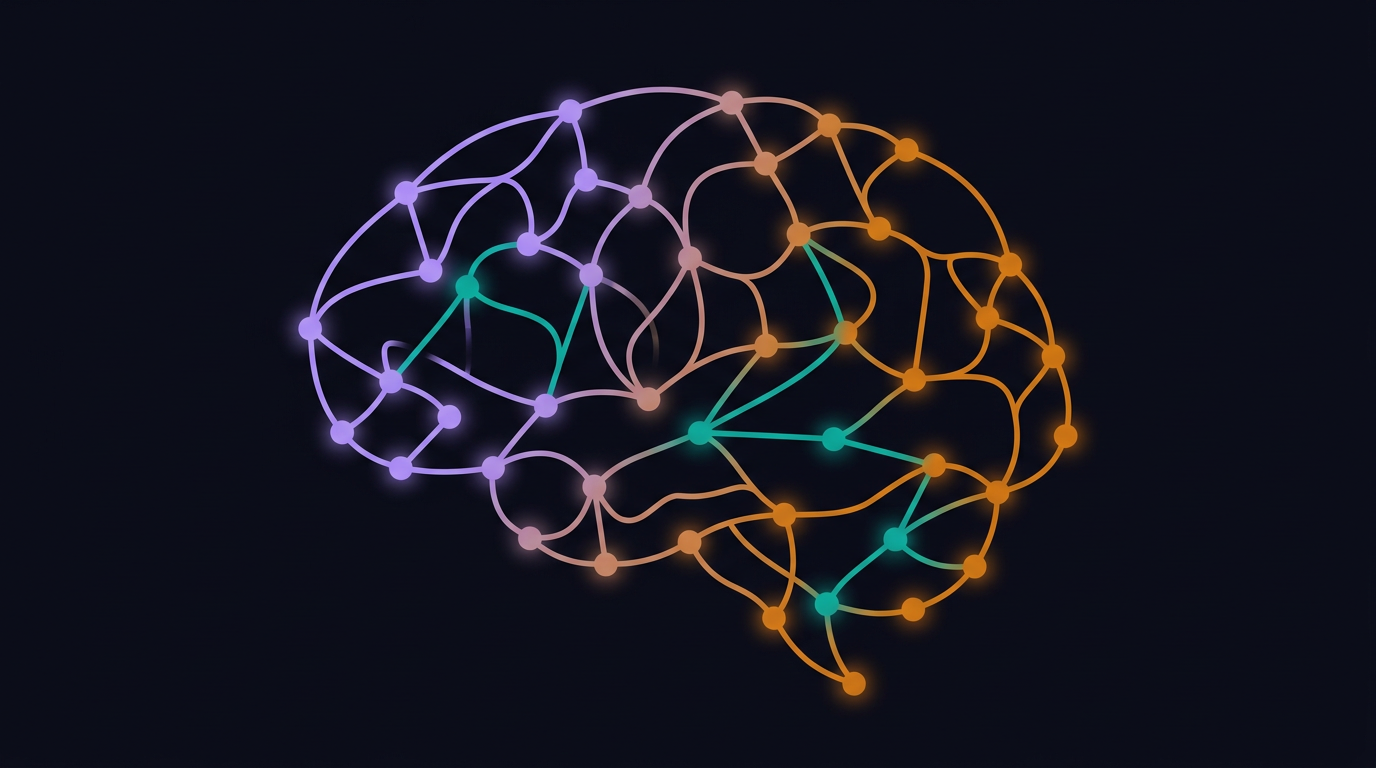
Memory Is Just the Beginning
Phases 1-3 gave us capture, search, and a dashboard. But a memory system that only stores and retrieves is essentially a fancy notes app. The real value comes from intelligence — when the system understands what you know, how you think, and where your knowledge is evolving.
Phase 4 introduced three intelligence features that transformed memset from a storage tool into something that actively learns from you.
Style Memory
Every person communicates differently. Some want detailed explanations with examples. Others want terse, code-first responses. Some prefer formal language; others are casual. These preferences exist in your head, but every AI tool ignores them.
Style Memory watches how AI tools respond to you and, more importantly, how you react to those responses. Over time, it builds a profile:
- Detail level — do you prefer comprehensive explanations or concise summaries?
- Tone — formal, casual, technical, conversational?
- Code preferences — language, style conventions, documentation habits
- Communication patterns — how you structure requests, what you tend to ask about
This profile is stored as a structured style object and can be injected into any AI's system prompt. The effect: every AI you use gradually adapts to communicate the way you prefer, without you asking.
The browser extension captures style signals passively. When you edit an AI's response, ask for more detail, or request a different format — those are all signals about your preferences. Style Memory aggregates them over time into a coherent profile.
The Contradiction Engine
The more memories you save, the more likely some will conflict with each other. This isn't a bug — it's how learning works. Your opinions evolve, your project requirements change, and what was true six months ago may not be true today.
The Contradiction Engine runs periodically across your memory store, comparing semantically similar memories for logical conflicts:
- "Use REST for all API endpoints" vs. "GraphQL is better for complex queries"
- "React class components for state management" vs. "Always use hooks"
- "Deploy on Fridays is fine" vs. "Never deploy on Fridays"
When a contradiction is detected, it's surfaced in the dashboard with both memories side by side. You can:
- Keep both — sometimes both are valid in different contexts
- Archive one — mark the outdated memory as superseded
- Reconcile — write a new memory that captures the nuanced truth
This is genuinely useful. Without it, Ghost Memory might inject outdated preferences into your AI chats, causing confusion. The Contradiction Engine keeps your memory current and internally consistent.
Career Brain
This started as an experiment and became one of the more interesting features. Career Brain analyzes the topics of your memories over time and builds a knowledge graph:
- What subjects do you know deeply? (Many related memories, high specificity)
- What areas are you learning? (Growing cluster of memories, increasing complexity)
- Where are your gaps? (Topics adjacent to your expertise that you haven't explored)
It visualizes this as an interactive graph — nodes represent topic clusters, edges represent relationships, and node size indicates depth of knowledge. It's a mirror for your professional development.
Learning Recommendations emerge from this graph. If you have deep PostgreSQL knowledge but nothing about database replication, memset can suggest that as a growth area. If your React knowledge is comprehensive but your testing coverage is thin, it surfaces that gap.
How It All Connects
The intelligence layer doesn't exist in isolation. Each feature feeds into the others:
- Style Memory informs how Ghost Memory presents recalled context to the AI
- The Contradiction Engine ensures Ghost Memory injects current knowledge, not outdated memories
- Career Brain gives you a macro view of what you know, while the memory store holds the micro details
Together, they turn memset from "a place to save things" into "a system that understands you." The memory store is the foundation. The intelligence layer is what makes it feel alive.
The Takeaway
Phase 4 was the inflection point where memset became more than a productivity tool. Style Memory, contradictions, and career intelligence are deeply personal features — they're based on your data, your patterns, your growth. That personal dimension is what makes memset different from a shared knowledge base or a notes app. It's your brain, augmented.